Exploring the Role of Different Floors in Keeping Your Home Warm
Your choice of flooring can significantly impact how well your home retains heat. This is an essential consideration for anyone looking to improve energy efficiency and reduce heating costs. Different types of flooring have varying insulation properties, affecting how they contribute to overall comfort and energy savings. In this article, we will explore the benefits, challenges, and best practices related to selecting the right flooring type for optimal home insulation.
The Impact of Flooring on Heat Retention
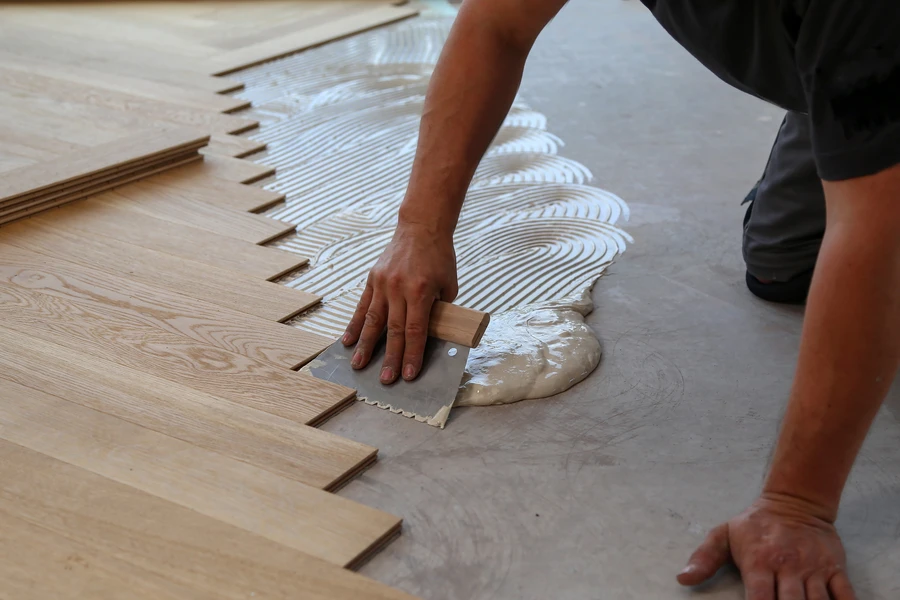
Flooring type plays a crucial role in determining how effectively a home retains heat. For instance, hardwood floors are known for their aesthetic appeal but may not provide as much insulation as other materials. Carpets, on the other hand, add an extra layer of warmth, acting as a natural insulator. Considering these factors when choosing flooring can lead to substantial energy savings over time.
Advantages of Carpeted Floors
Carpet floors offer several benefits when it comes to home insulation. They trap air within their fibers, creating a barrier that helps retain heat during colder months. Additionally, carpets can reduce noise levels and provide a soft underfoot experience, enhancing comfort. Residential flooring choices like carpets can be particularly beneficial in bedrooms and living areas where warmth is most desired.
Challenges With Hard Flooring
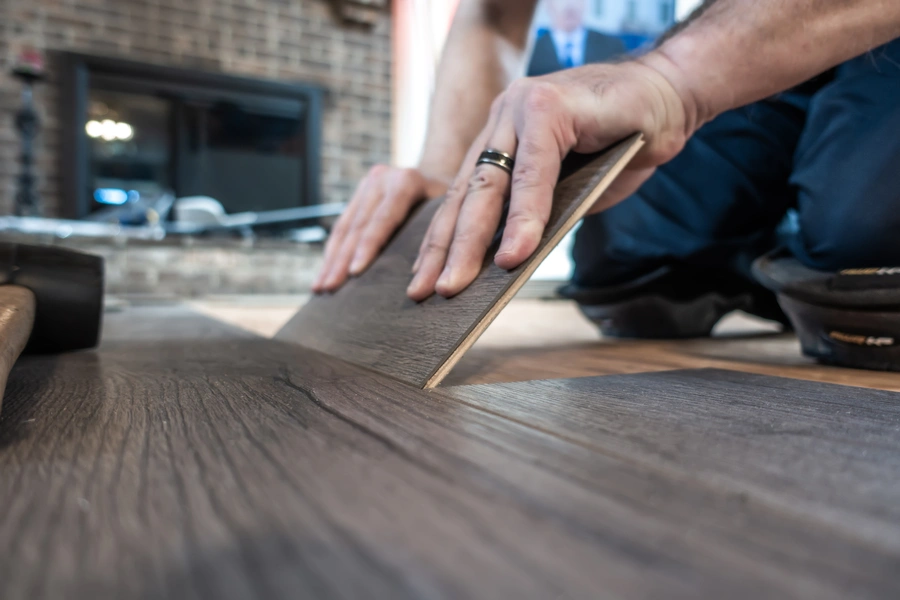
While hard flooring options such as tile or stone are durable and easy to clean, they may pose insulation challenges. These materials tend to feel cold underfoot, which might result in increased heating needs during winter. In homes where hard surfaces are preferred, using area rugs or underfloor heating systems can mitigate the loss of warmth.
Enhancing Insulation With Underlayments
An effective way to boost the insulation properties of any floor is by adding an underlayment. This layer sits between the subfloor and the main flooring material, providing additional cushioning and thermal resistance. Particularly useful in areas with laminate or vinyl floors, underlayments come in various thicknesses and materials, each offering different levels of insulation.
Best Practices for Choosing Flooring Types
When deciding on residential flooring options, consider both functionality and aesthetics. Prioritize materials that align with your climate conditions and personal preferences. Here are some best practices:
- Select carpet or cork flooring for rooms where warmth is a priority.
- Consider radiant heating beneath tiles to compensate for their coolness.
- Use rugs strategically on hard floors to enhance comfort and insulation.
Cost Considerations in Flooring Choices
Choosing the right flooring impacts not only comfort but also budget. While initial expenses for high-quality insulating floors might be higher, the long-term savings on energy bills can be significant. It’s essential to weigh upfront costs against potential future savings when planning a flooring upgrade.
Final Thoughts on Flooring and Insulation
Selecting the appropriate flooring is key to maintaining an energy-efficient home environment. By understanding the insulation capabilities of different materials, homeowners can make informed decisions that enhance both comfort and sustainability. For expert guidance tailored to your needs, contact AV Flooring & Services at (312) 465-3416. Located in Chicago, IL, our team specializes in helping you choose the perfect floor for maximum insulation efficiency.